Inclusive Work
The collaboration with Cooperativa Monteverde Onlus
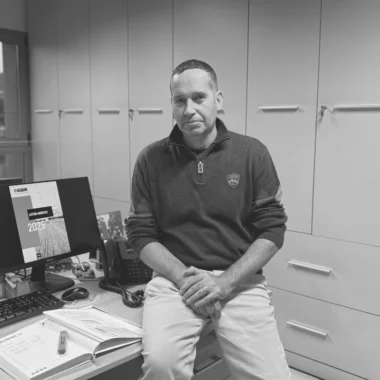
Stefania Toaldo, Member of the Board of Directors and Coordinator of the Design and Development Area at Monteverde Onlus.
This area focuses primarily on social communication and marketing, fundraising, and cross-functional projects that integrate Monteverde’s various activities. She is also responsible for internal communication within the cooperative and for processes related to integration between the for-profit sector, non-profit organizations, and Public Administration.
What does the collaboration with a company like Berti represent for Monteverde?
For Monteverde, the collaboration with Berti represents a concrete example of how the business world can meet the social sector, generating value for both. It is a partnership born of mutual recognition: Berti sees the seriousness, care, and quality with which we operate in our workshops; we, in turn, recognize Berti as a company capable of looking beyond the short term, choosing to invest in a project that places people at its core.
For us, this collaboration sends a strong message: when a local company partners with a social cooperative, it takes a step toward a more inclusive and more human model of growth.
What is the social and professional significance of this project for your cooperative?
It means connecting social goals with professional rigor in a project that gives dignity to people and value to the territory.
On the one hand, it strengthens our workshops and their ability to operate according to high production standards; on the other, it offers people with disabilities and vulnerabilities the opportunity to carry out real, measurable, and useful work.
From a social perspective, this project tells a story of work that does not exclude, but integrates. From a professional standpoint, it raises the quality of our pathways and the recognition of our role as a multi-purpose social cooperative.
What concrete benefits does this activity bring to the people involved in your employment integration programs?
The benefits are immediate and profound.
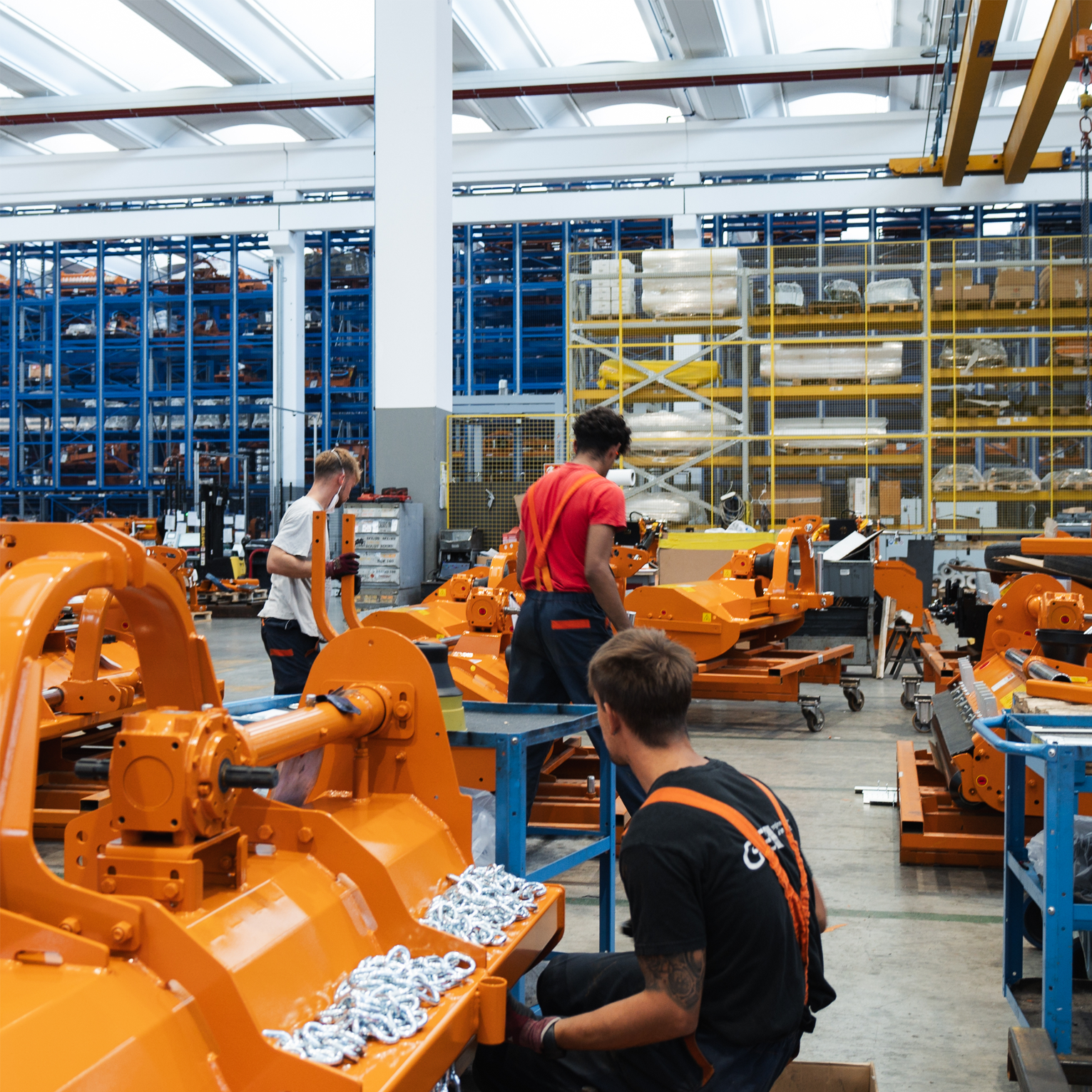
People are faced with a real production order, with deadlines, quantities, and quality standards to be respected. This leads to:
-
increased self-esteem
-
a sense of being useful and recognized
-
development of personal responsibility
-
greater confidence in one’s abilities
-
a tangible sense of belonging to a broader production process.
For many, this is their first real opportunity to work for an external company: a symbolic and professional step that changes how they perceive themselves.
What skills are developed or strengthened through this type of work?
The work develops both technical and soft skills.
On a technical level:
-
fine manual skills
-
precision
-
quality control
-
operational sequences.
On a transversal level:
-
teamwork skills
-
time and priority management
-
ability to adapt to unforeseen situations
-
ability to follow repeatable processes
-
perseverance and attention to detail.
These are skills that remain with people even when they move into other life or work contexts. They are extremely important for a future life that is desirable and autonomous.
What are the main challenges you face every day in carrying out a job placement project like this?
The greatest challenge is balancing different needs: the company’s production requirements and the needs of the people involved in the program.
Every day we work to balance quality, timing, pace, and personalization of the process in all its parts.
In addition, each person brings with them a story, a vulnerability, and a potential: accompanying them means building an environment that is both protective and professional.
Another challenge is ensuring continuity in processes: training groups, guaranteeing educational support, and maintaining consistent quality.
How do you perceive the impact of the collaboration within Monteverde? Has it generated greater awareness, participation, or new opportunities?
The impact has been very positive.
The collaboration has brought enthusiasm, motivation, and a strong sense of recognition within Monteverde.
The teams feel they are part of an important project that enhances their skills and those of the people—more or less vulnerable—involved in the production processes.
A shared sense of pride has emerged: seeing a company like Berti place its trust in us is a confirmation of the value of our work.
And yes, it is already generating new opportunities: other local organizations have contacted us precisely because they have seen this project.
Looking ahead, how do you see the evolution of this partnership? Are there future activities or developments you would like to explore together with Berti?
Looking ahead, we would like to structure a stable, progressive, and increasingly integrated collaboration. The goal is to expand the scope of work, explore new micro-processes, and jointly build an effective and replicable model of employment integration.
In particular, we see a very clear evolution: creating a laboratory area entirely dedicated to Berti, designed to meet production order requirements and to guarantee continuity and quality. This would be the foundation for:
-
receiving new activities entrusted to Monteverde
-
developing a broader production supply chain
-
hiring new vulnerable individuals, thanks to the growth of the partnership.
We envision this as a collaboration that becomes not only productive, but deeply transformative for the territory. This is the story that has united Monteverde and Berti for many years now: every project must be generative and have an impact.
What is the main message you would like to convey about the importance of supporting social work at a local level?
The message is simple and direct: supporting social work means contributing to the creation of stronger communities.
It means choosing a development model in which no one is left behind.
When a local company supports a social cooperative like Monteverde, it is investing in dignity, autonomy, and the future.
It is a choice that benefits businesses, people, and the entire community.